
Top 5 Places to photograph in Charleston Sc & Coastal Ga
Best places to visit in Charleston
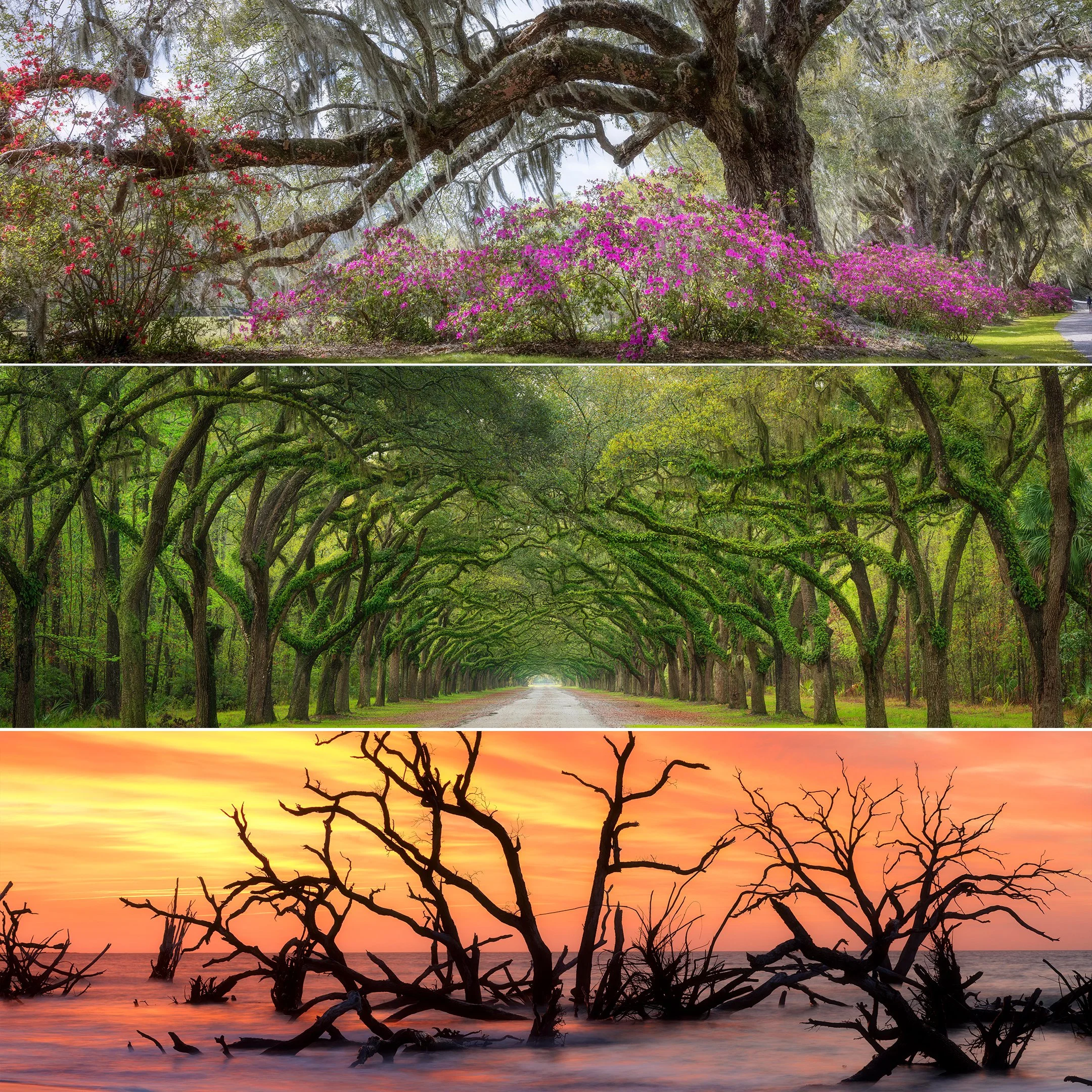
After some research and debating where I wanted my next domestic photography trip to be, I decided on South Carolina and Georgia. I was infatuated with some of the photos I saw online. From Wormsloe State Historic Site’s 1+ mile tree tunnel, to Botany Bay’s driftwood beach, and Jekyll Island’s Boneyard Beach.
Having experienced this place first-hand as a professional landscape photographer, I’ll now share my thoughts on this area of the Southern Low Country and provide a list of my favorite places to photograph, when to shoot, and how.
When to go
The best time to enjoy the true beauty of this region is during and just after early spring bloom. While the timing may vary from year to year (this year was later because of drought) generally speaking you’ll land on late March - Early April as a great time to go.
This time of year is perfect for photographers for a few reasons. Firstly, early spring bloom provides incredible, vibrant color. Trees turn bright green, and flowers bloom with incredible pinks / reds / and purples. Around this time of year, you also have a decent chance of seeing some early morning fog; and with the very high humidity overnight in the morning, you can often get an incredible glow on the foliage from dew. This can really make your photos POP!
How to shoot and what to bring
While it is totally fine to shoot at any time of the day, your best options are going to be closest to sunrise and closest to sunset. The only problem is- many of the plantations and parks are operated from 9am - 5pm. This means you’ll likely want to get there early in the morning (or as soon as the gates open, like I did)
I always suggest that on any photography trip, you have a plan for sunrise and sunset. This is obviously your best time for colorful skies and beautiful golden lighting. We’ll get into specific locations for this later on.
Gear-wise, I would recommend any decent mirrorless or DSLR interchangeable lens cameras- although a camera with high dynamic range is important, lighting can get harsh during the day.
For lenses, you’ll want a wide range of focal lengths. I would recommend having at least 24mm-200mm covered with quality glass. Ideally, a wider focal length like 12mm or 14mm would be great to have access to- but not necessary.
Additional gear that is a must-have are a tripod, and ND filters. ND filters will allow you to take long exposure photos that provide a dreamy, smooth look to the clouds, and water. This is an essential piece of gear for beach shots in my opinion. The tripod is necessary so you can keep your long exposure shots stable. Be sure you have a quality, steady tripod. Not all tripods are made alike- the cheap ones are cheap for a reason.
Best Places to shoot
Botany Bay

Road to Botany Bay
Botany Bay wildlife refuge offers an incredible array of photographic opportunities to the landscape, nature, and wildlife photographer. The gravel road that takes you to the entrance gate has a long tunnel of live oak trees and palms that are perfect for a post-sunrise shoot when the golden light is just peaking through the forest canopy.
The best location however, is the beach. Botany Bay is famous for its driftwood beach. A beach that has been lost to time and erosion. For this location, you want to get there as early as possible. I always recommend for sunrises and sunsets to arrive at your preferred location an hour beforehand so you can scout spots, and so you don't miss anything magical.
The gates to Botany Bay open 1 hour prior to sunrise, so typically for this time of year, you’ll want to arrive at the gate and sign in at the kiosk at around 6:30am. Once you arrive, drive all the way to the beach access parking, and start walking. Its about ½ mile from the parking lot to the beach. Before you make it to the main beach access, you’ll want to look for a small trail off to your left that takes you through the palm trees so you can access the northern side of the beach.
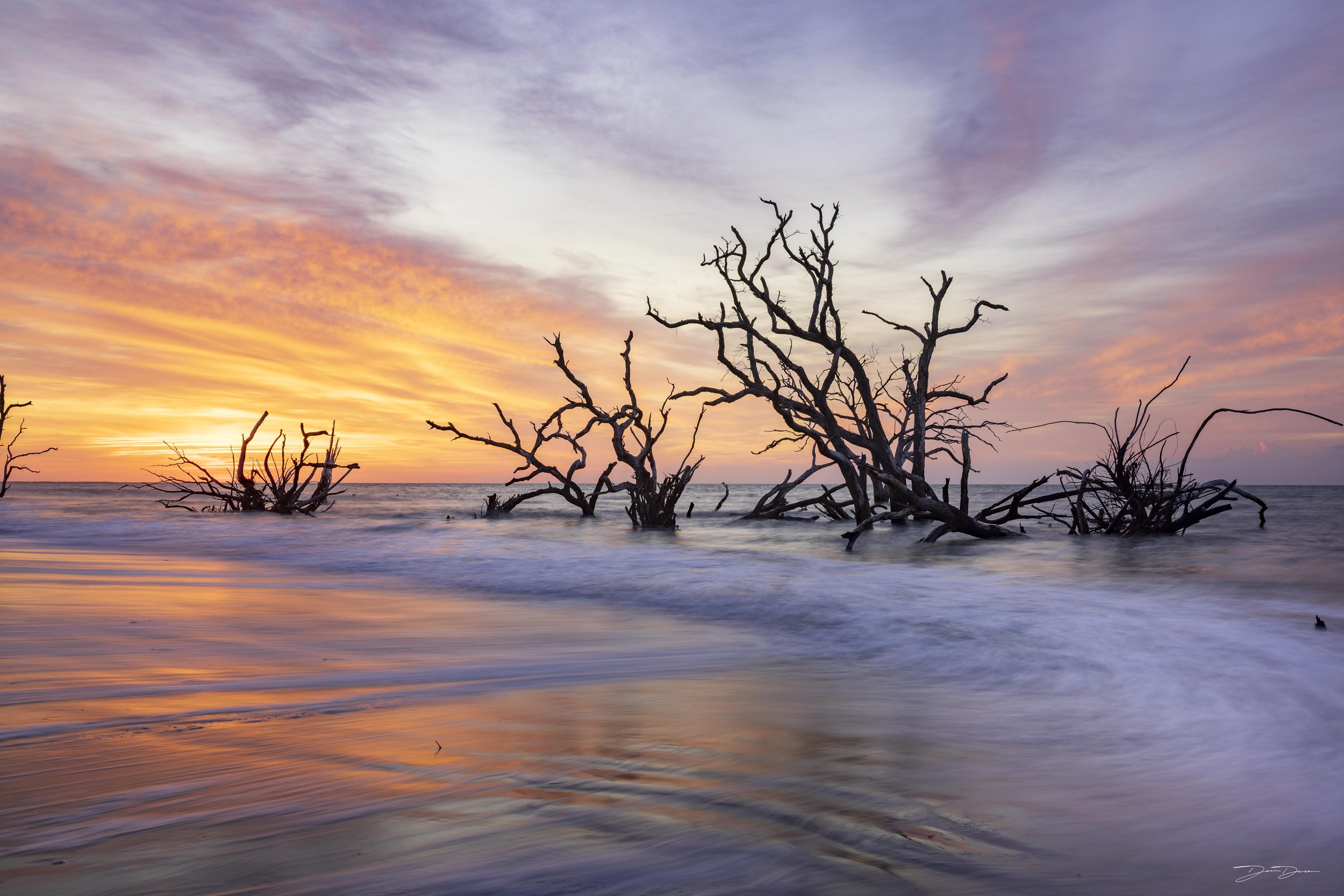
Sunrise at Botany Bay
The central and southern part of the Botany Bay Beach are alright, but have succumbed to immense erosion, are dangerous, and have minimal photography opportunities- especially at high tide. If you take the northern trailhead, it takes you to a wide-open expanse of beach with lots of great photo ops, and millions of seashells (which you can't take with you sadly).
Once you find your spot, hang around for a while, find some frames, take your time, and enjoy the scenery. If you’re lucky, maybe the sunrise will be firefly orange. I recommend hanging around about 30-60 minutes after the sun rises to allow for more creative shots.
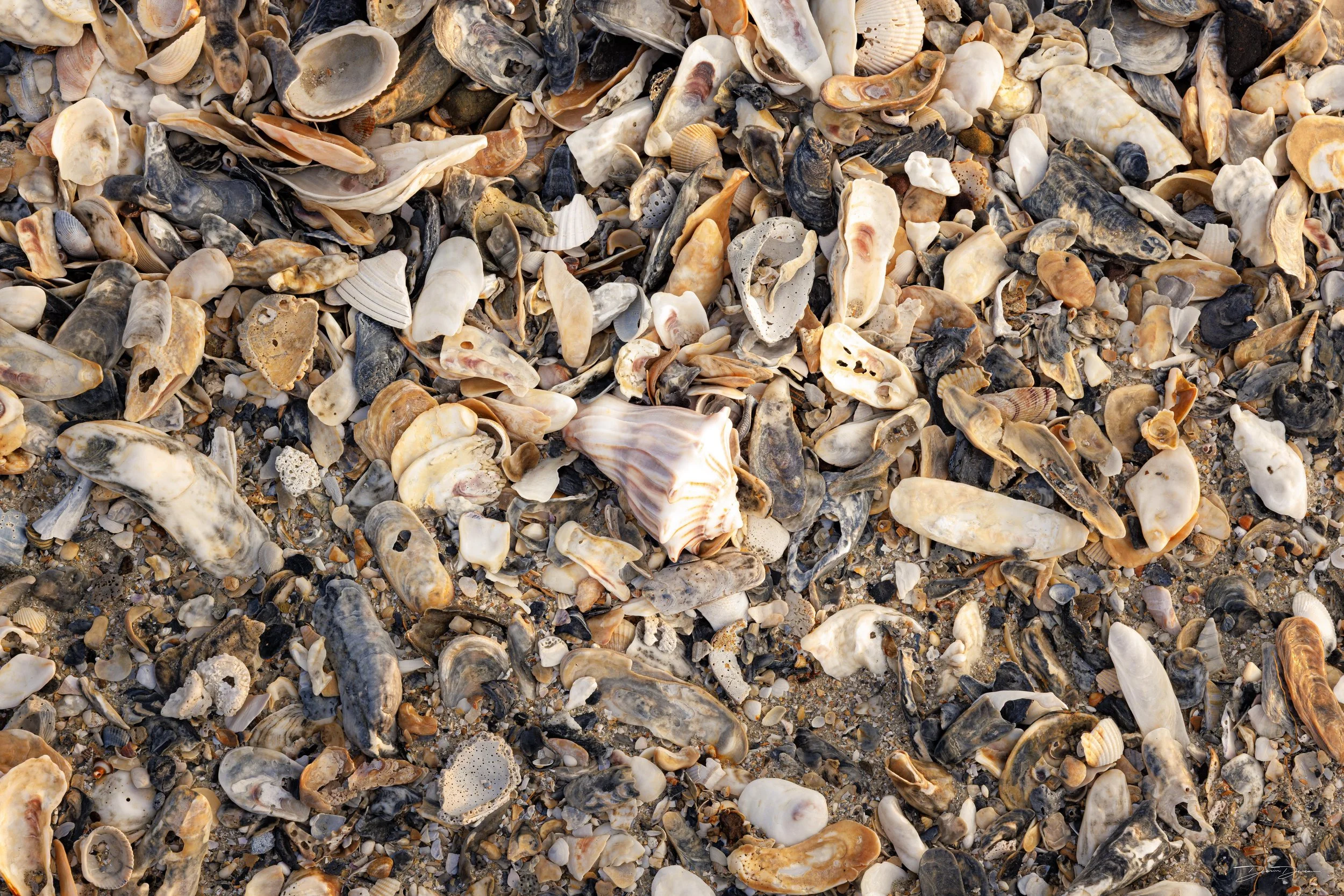
Shell City
After that I would recommend driving back towards the gate very slowly. Take your time and appreciate the scenery. Around this time there should be golden light pouring into the forest, making it glow green / golden. Past the gate, back closer to the church along the highway, there is a tree tunnel. On your way out, look back and you’ll see an incredible green tree tunnel that should be basking in the early morning light at this point.
Sunrise also provides a good opportunity for photography here. While the beach does face southeast, the light can still catch the beach and the trees just right at sunset. While it wouldn't be my main choice, if you’re in the area around sunset, it can't hurt to just check it out and get some steps in.
2. Wormsloe State Historic Site Tree Tunnel
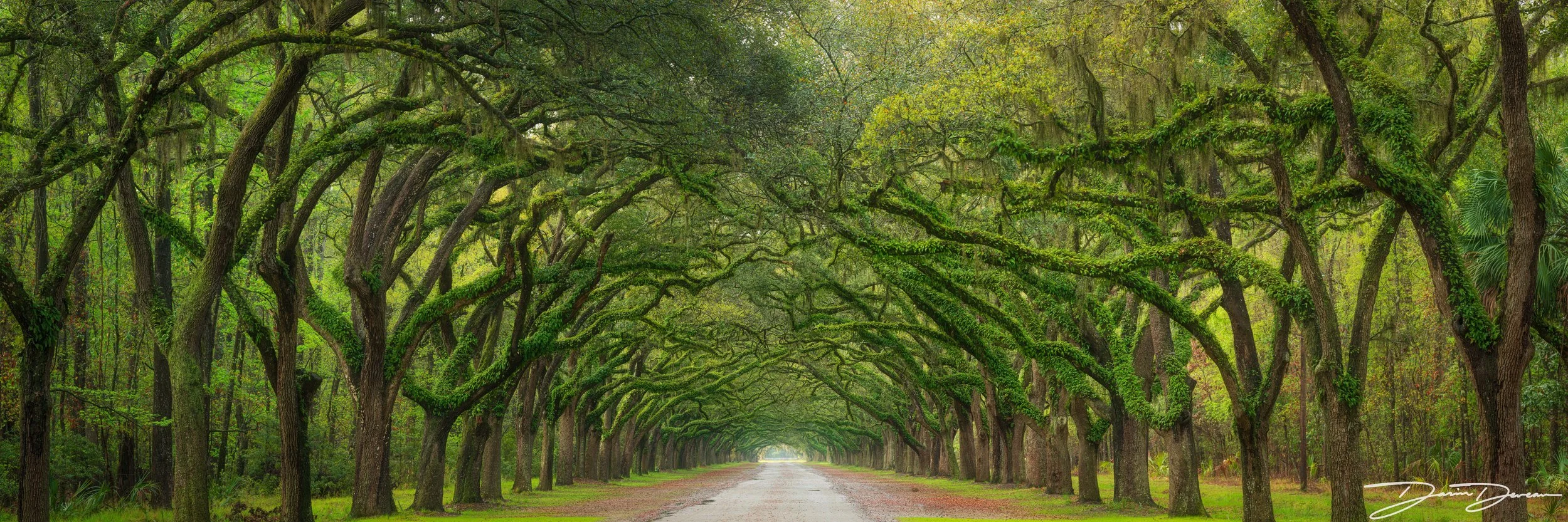
Wormsloe tree tunnel
One of the most iconic locations in the south- Wormsloe State Historic Site is truly one of the most stunning and surreal locations you can visit in the area. While this is a bit of a drive from Charleston (about 90 minutes) it is very, very well worth it.
The tunnel of live oak trees here stretches for about 1.25 miles, and is an endless path of beauty. The trees are covered in beautiful green ferns, which glow an incredible vibrant green after rainfall. Once again, early morning is the best time to visit here.
This location is popular- sometimes to its detriment. Do not even consider visiting during the afternoon or evening if you plan on taking good photos. You will encounter many issues; mainly BIG crowds, but also bad lighting. While you may be able to make it work (with some help from photoshop), I do not recommend anyone go here in the afternoon, or on a weekend.
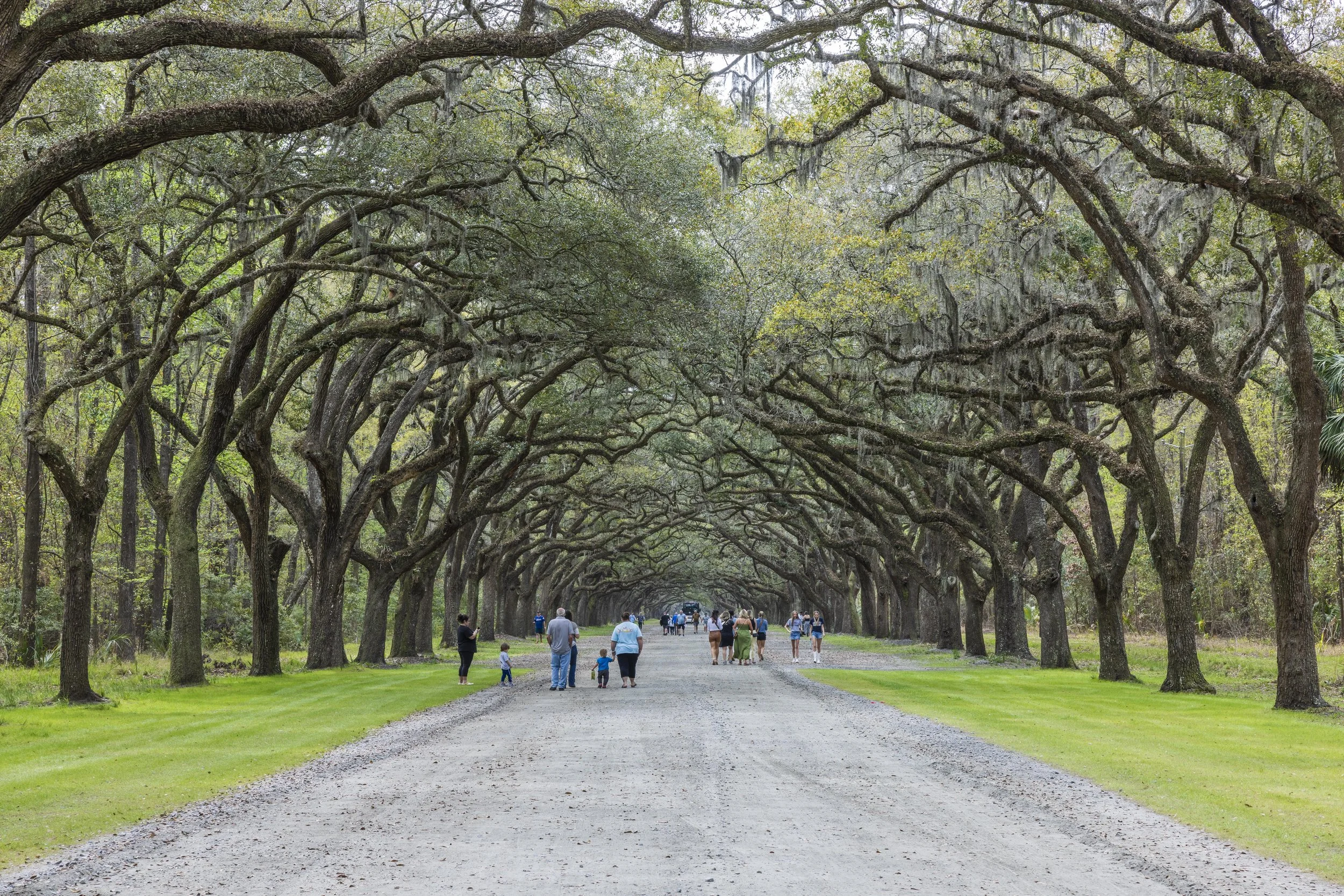
Your best opportunity for photos is going to be on a weekday (Monday-Wednesday are best) as soon as the gates open. Wormsloe is open and staffed from 9am-5pm, so get to the gates at 8:59 and wait. I got there at 8:50 on a Monday morning, and was all by myself, free to shoot without a soul in sight for 30 minutes. If you aren't able to take a good photo of this spot in 30 minutes, I would be shocked.
Not only will getting here early secure a spot at a people-free photo, but the lighting is also incredible. The early morning golden glow is a stunning touch to an already amazing scene.
For compositions, I would recommend taking a panoramic view. Zoom in to around 135-200mm and take 2 rows of about 10-15 photos (20-30 total). This should provide an incredibly high resolution panorama that captures the scene in such great detail, you will be staring at that photo for so long, discovering new things each time. I did this, and discovered a hawk in my photo weeks later.
Usually at this time in the morning, high dynamic range shouldn't be an issue. Ideally, there's patchy clouds, but even if there isn't, you *shouldn't* need to bracket.
3. Magnolia Plantation
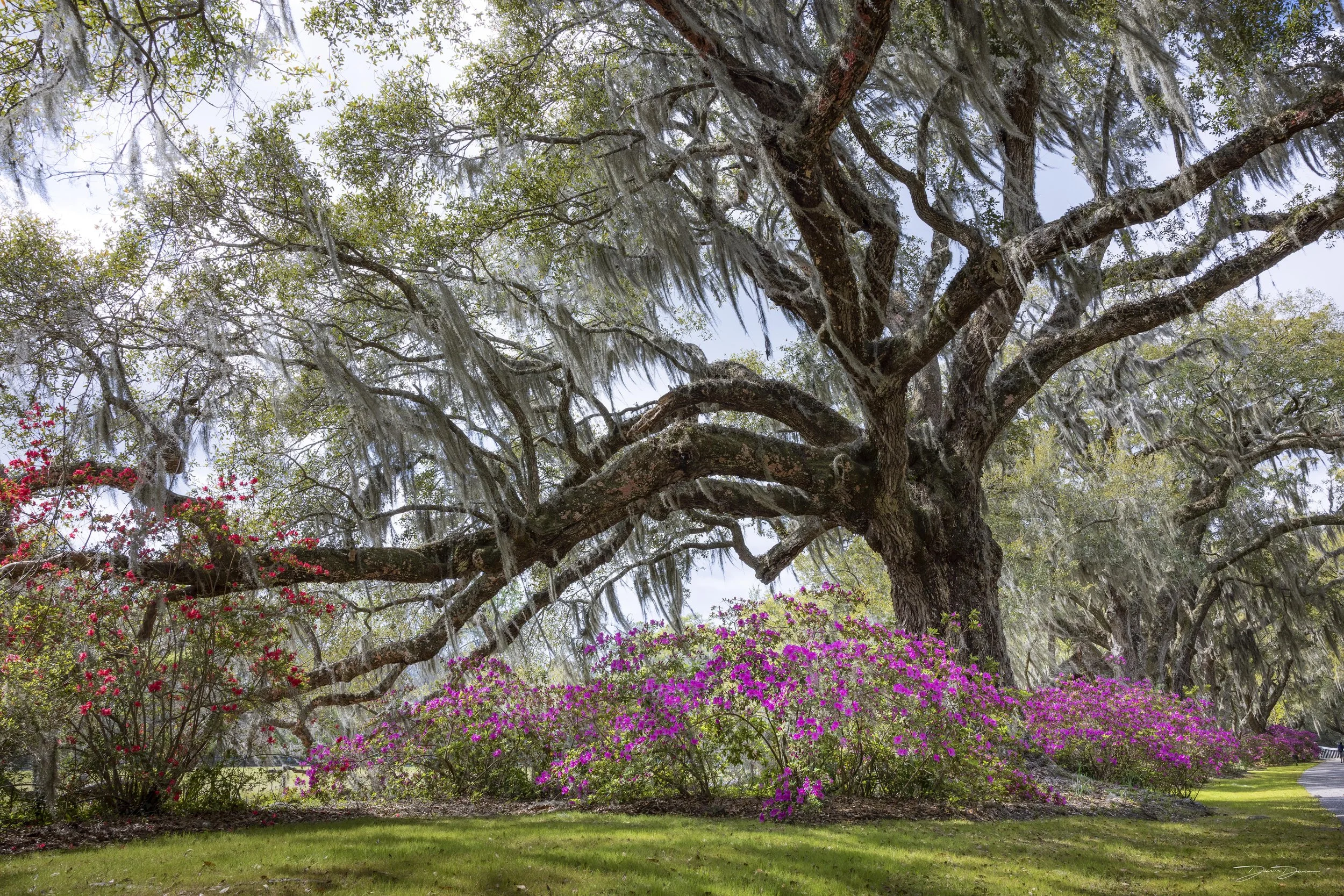
“A Life Well Lived”
Magnolia Plantation, located in Charleston, South Carolina, offers a stunning blend of rich history and natural beauty, making it a captivating subject for photographers. Founded in 1676, it is one of the oldest plantations in the United States. The plantation's historical significance is reflected in its preserved buildings, including the grand house, which offers a glimpse into the life of Southern aristocracy.
What you’ll find here are some truly stunning trees, and flowers. Live oaks that are 300+ years old covered in spanish moss. The azaleas at Magnolia are nothing short of stunning- especially in the spring.
The entrance to this plantation (which has no private vehicle access) allows for many beautiful compositions of the live oak trees, and azalea bushes. There is so much room for creativity here. Just by the entrance there is also a section of live oaks that has a section of branches that hang very low, creating a tunnel of branches.
Aside from that, there are plenty of creative opportunities in the garden itself from the white gazebo, and footbridge, to plenty of flowers and trees. Your only limitation is likely to be harsh lighting and crowds. As I suggest with most locations, get here early, beat the crowds and get the good lighting. Even if you have to wake up early or skip breakfast. It is beyond worth it.
4. Jekyll Island Boneyard Beach
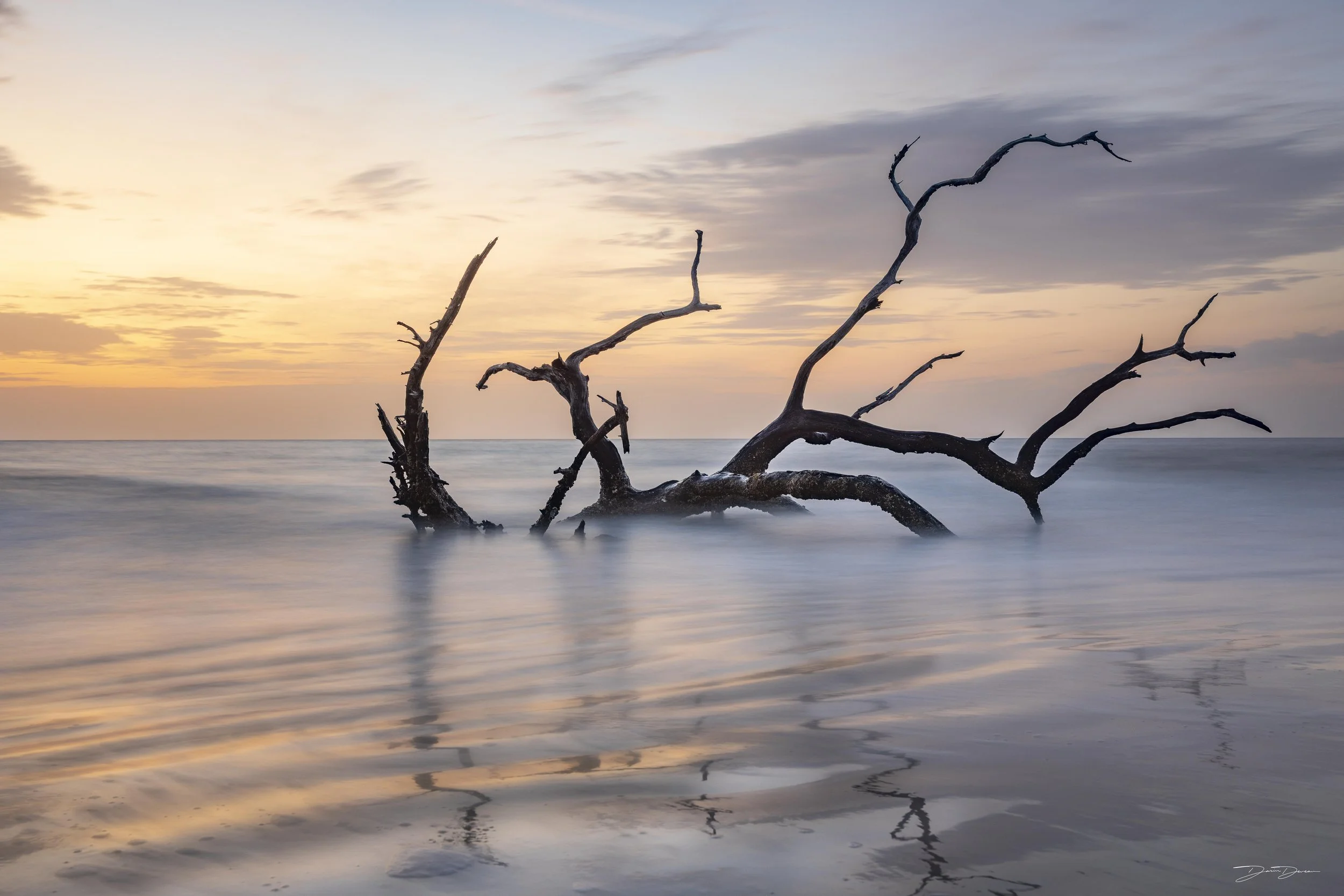
While a decent drive from Charleston, this beach resort island is well worth a day or two stay. The plantation grounds are stunning, and well manicured, and the main district has great food, and a wonderful atmosphere.
There is plenty to photograph on this island from the boneyard beach, to the plantation oak, footpaths in the woods, and so much more. If you intend on photographing anything here, similar to Botany Bay– I would suggest an early morning sunrise at Boneyard beach, and then go to the plantation grounds to capture the golden early morning light and beat the crowds.
5. Bonaventure Cemetery
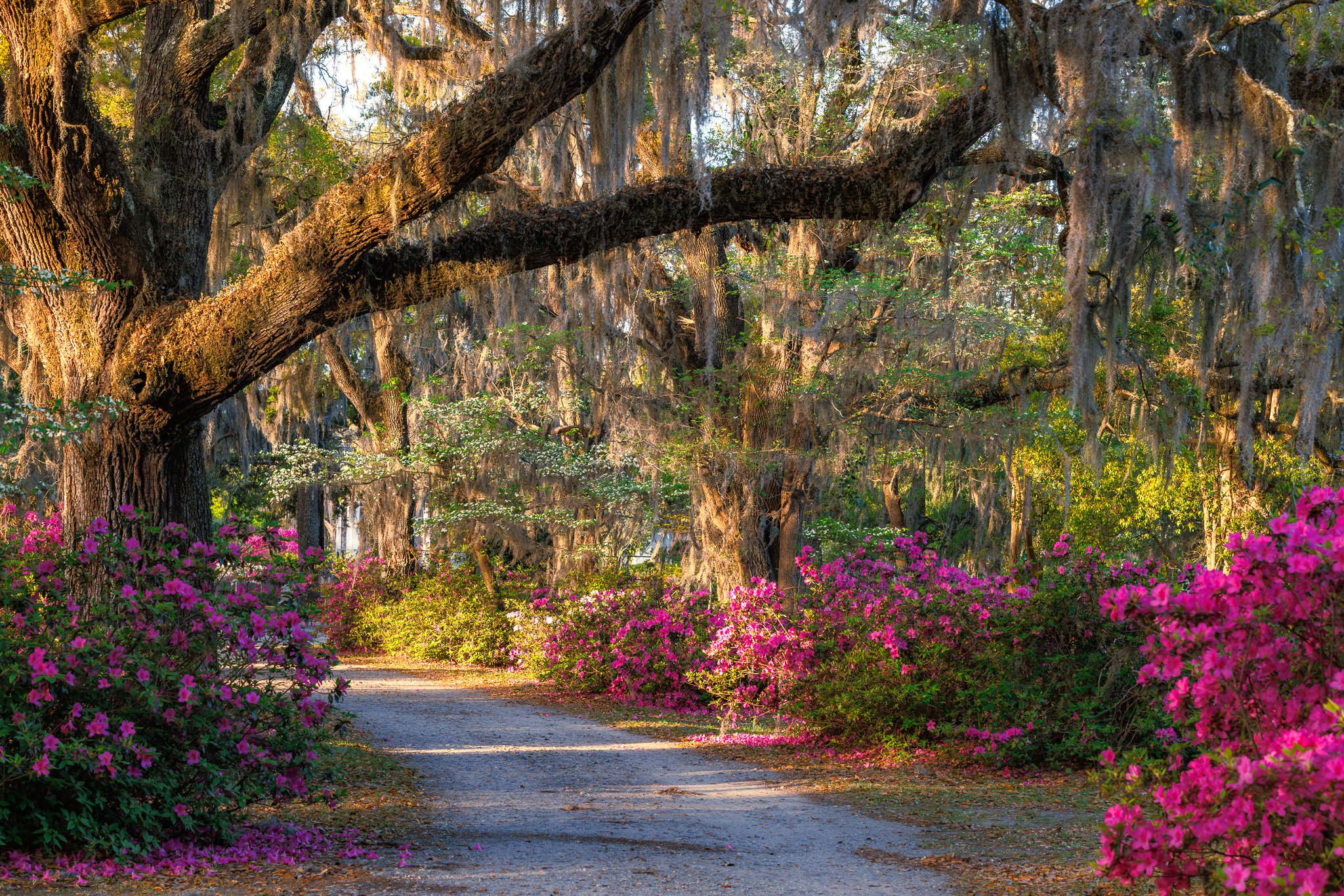
Established in 1846, Bonaventure cemetery is well worth a stop on your trip. Just a short hop away from Wormsloe State Historic Site, this location offers an unparalleled display of Azaleas. I highly recommend stopping by the area early in the morning for the best light; and to avoid the larger crowds that show up for guided tours later in the day.
Along its miles of gravel roads there are numerous great compositions for breathtaking photo-ops. The early morning golden glow adds a touch of charm to it that is hard to beat, and unmistakably southern.
Old Sheldon Church Ruins
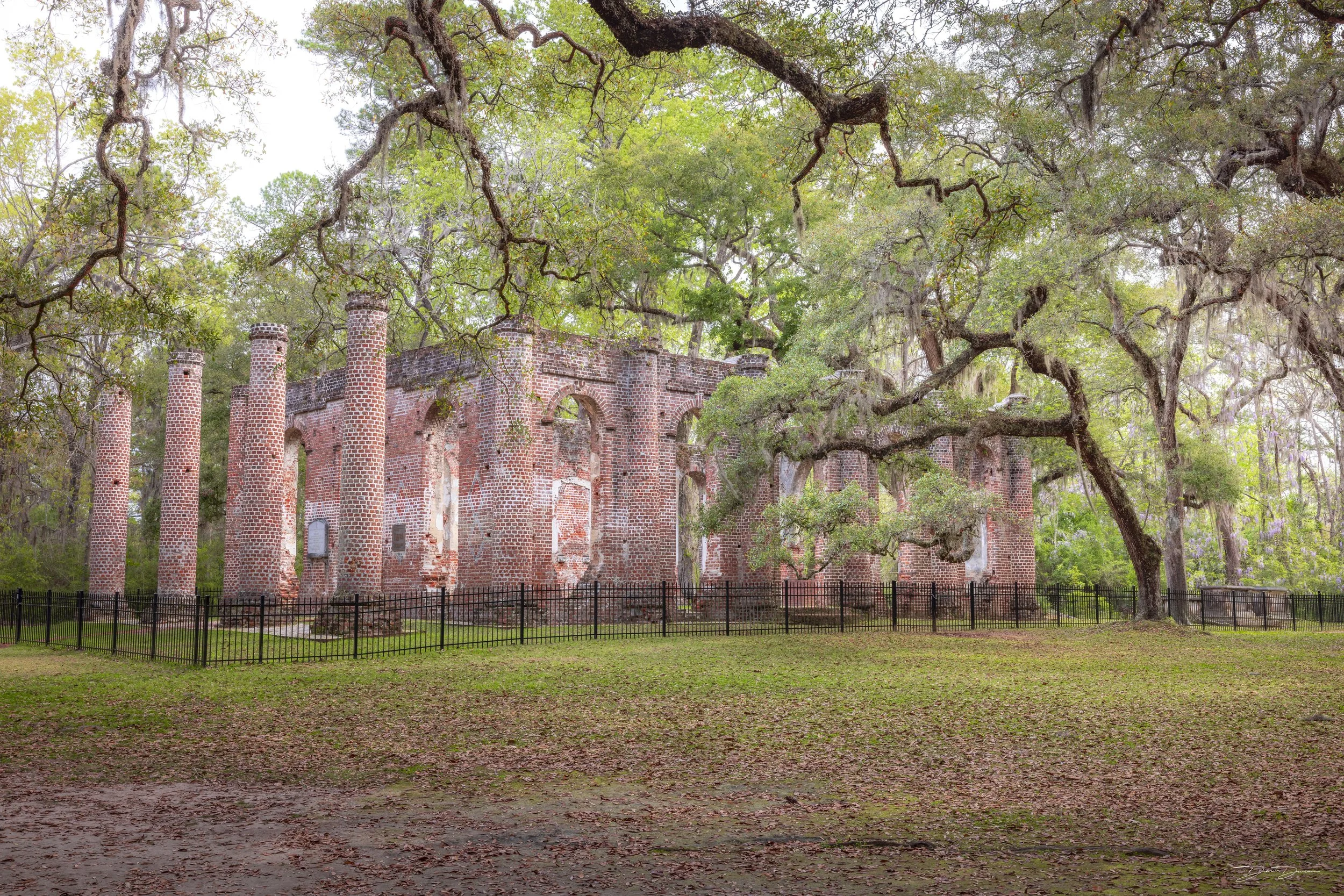
If you are traveling from Charleston to Wormsloe or Jekyll, this stop along the way is a must. Just a couple miles of US-17 lies the ruins of a church established in the 1750’s. Unfortunately, due to vandalism and improper tourist behavior, they recently installed a black fence around the ruins. This means that your photo will have this fence in it, but it is still worth the stop if you are heading in that direction.
Angel Oak Tree
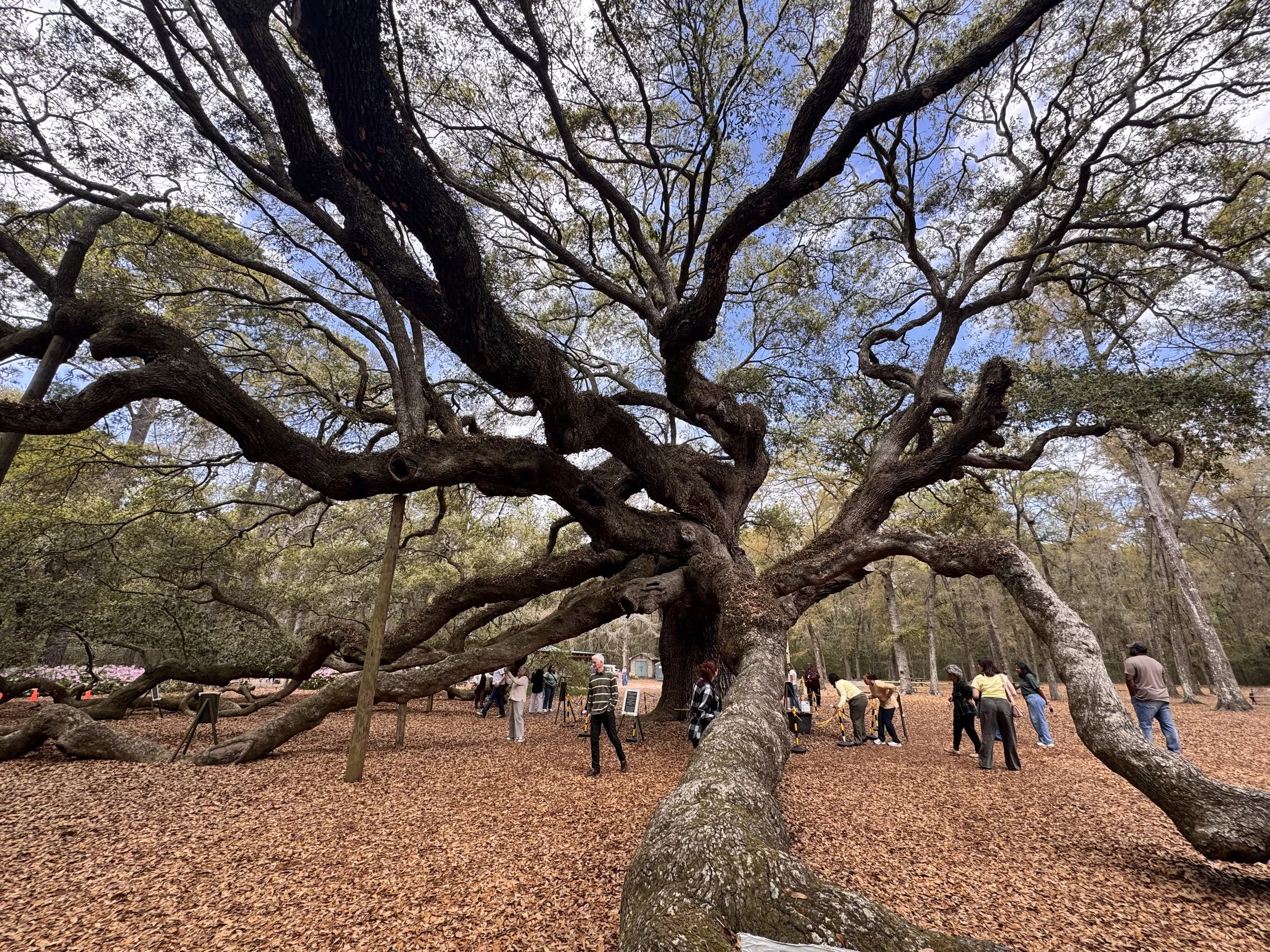
You were probably reading this list, wondering where this was on my list. If that is the case, you are probably wondering why it is so far down on the list. Theres a couple reasons for that. Firstly it is just overrun with tourists. Good luck finding any time to photograph it without dozens of tourists lingering around it.
Furthermore, they erected a chain gate around the base of it with large signs telling people to stay off the tree. While that is entirely understandable, it does sadly inhibit the photographic potential of such a beautiful tree. The staff here tend to be relatively unfriendly towards photographers, and again I understand this. Im sure they have to deal with arrogant and annoying people trying to do things that would harm this beautiful tree all the time– I am merely speaking on the issues photographers may face here.
One more of those issues you may face are tripods. For photographers like me who prefer to use tripods rather than handhold, this was a problem. You are not allowed to set up a tripod within about 300+ ft of the tree. Any shot you take of the tree here must be handheld, which is a pain since you usually need to exposure bracket photos at this location.
Aside from all of that, this is a beautiful location, there’s no way around it. I would be a fool if I said not to visit it. Just bear in mind its not the most photographer friendly location.
Get a FREE photography map guide to Charleston!
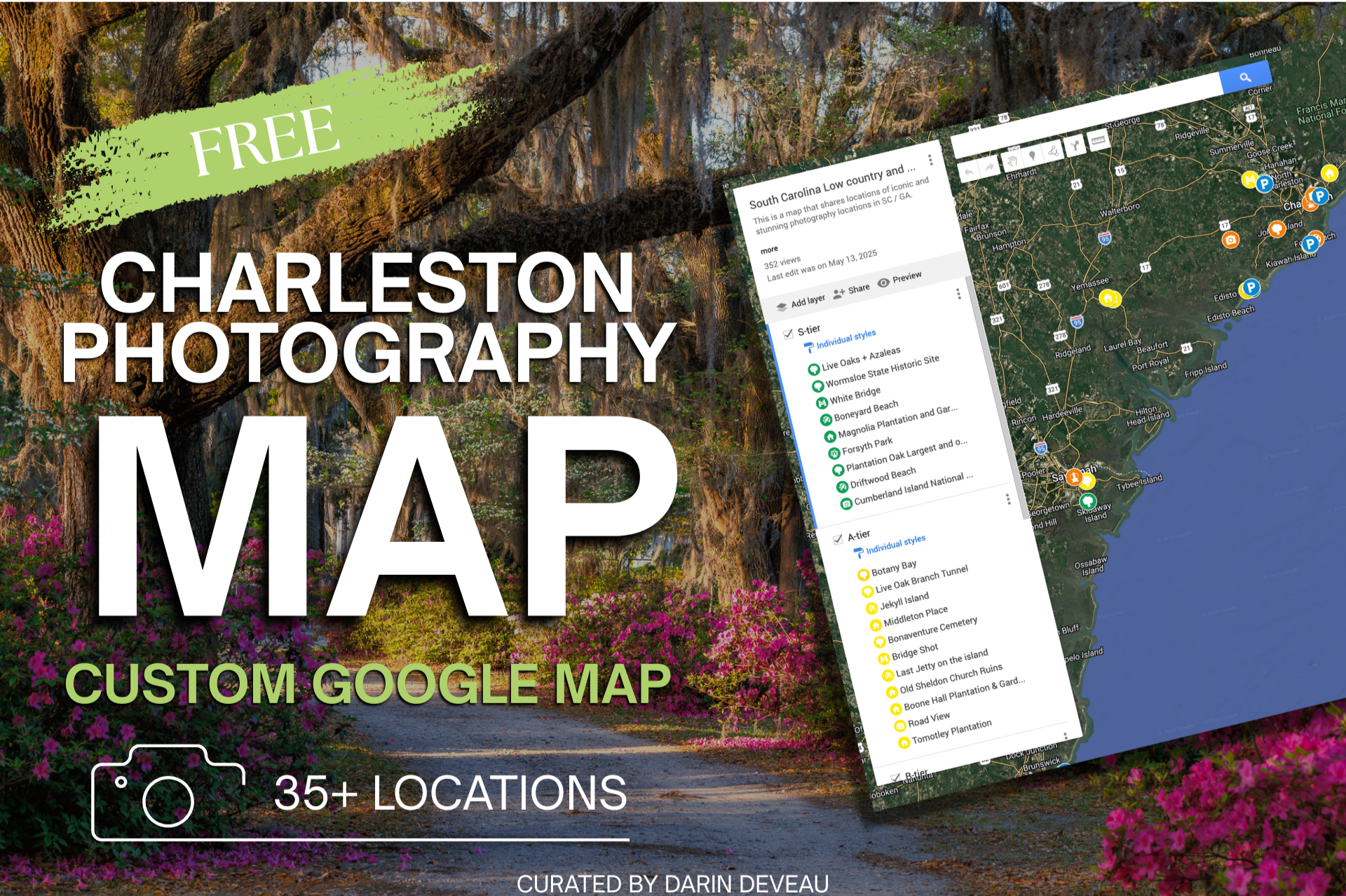
I made a map for photographers who are looking to photograph this beautiful area. Some of the locations have my own photos to give you a reference. I've tried to include all the relevant information into the description of each location, but be advised, this list is not exhaustive, and will be updated as I continue my travels.
To access this free map, enter your email below, and sign up for my newsletter (exclusive offers, and more articles and photos like this) to receive a link to your map.
To access your map, go to your google maps app, tap on “you” on the bottom of the screen, and scroll down to the bottom and look for an icon that says “Maps”. From there you should see this map saved to your account.